Information SEcurity > Multilevel Security (MLS) > Biba Model
Biba Model: Protecting Data Integrity
Biba Integrity Model was developed by Kenneth J. Biba in 1975. Unlike Bell–LaPadula, which focuses on confidentiality, the Biba Model focuses on protecting data integrity. Integrity means ensuring that data remains correct, trustworthy, and free from unauthorized changes.
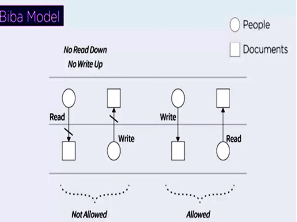
Main Rules of the Biba Model
- Simple Integrity Property - “No Read Down”: A user cannot read information from a lower integrity level. Example: A highly trusted manager should not read untrusted or unreliable data. This prevents trusted users from being affected by low-quality or corrupted information.
- Star (*) Integrity Property - “No Write Up”: A user cannot write data to a higher integrity level. Example: A low-level employee cannot modify highly trusted financial records. This prevents corruption of important data. The Biba Model aims to:
- Protect data from unauthorized modification.
- Prevent authorized users from making improper changes.
- Ensure data remains internally and externally consistent.
Feedback
ABOUT
Statlearner
Statlearner STUDY
Statlearner